Cord-Cutting Chaos: Is YouTube TV's Loss Your Gain?
YouTube TV subscribers got a rude awakening recently: Disney-owned channels vanished. ABC, ESPN, FX, National Geographic – poof, gone. The reason? A contract dispute, the kind that increasingly plagues the streaming landscape. This means no Monday Night Football, no Abbott Elementary, and a weekend without college football for some (a significant blow, depending on your allegiances).
But before you chuck your Roku out the window, let's analyze the fallout and potential silver linings. Are there viable alternatives? And more importantly, are they actually better deals?
The Streaming Shuffle: Options on the Table
The immediate alternatives being floated are Fubo, Sling TV, and ESPN Unlimited. Each has its own pricing structure and channel lineup, so let's break down the numbers.
Fubo is pushing hard with a free trial and discounts, offering $30 off the first month of their Pro or Elite plans, bringing them down to $54.99 and $74.99, respectively. They boast over 200 live channels, including ESPN, FOX, and local networks. The Elite plan even throws in Sports Plus with NFL RedZone. (Crucial for any serious football fan; RedZone is non-negotiable). They've also introduced a Deluxe plan at $84.99 for the first month, adding MGM+ and International Sports Plus.
Sling TV is touting its short-term passes – a week, weekend, or day. This is an interesting approach, potentially appealing to the casual sports fan who only needs ESPN for a specific event. They also highlight a Max add-on with a $5 monthly discount.
Then there's ESPN Unlimited, ESPN's standalone streaming service. It offers two tiers: Unlimited at $29.99 per month or $299.99 per year, and Select at $12.99 per month or $129.99 per year. The Unlimited plan includes a broad range of ESPN channels, ABC sports content, ESPN+, ESPN3, SECN+, and ACCNX.
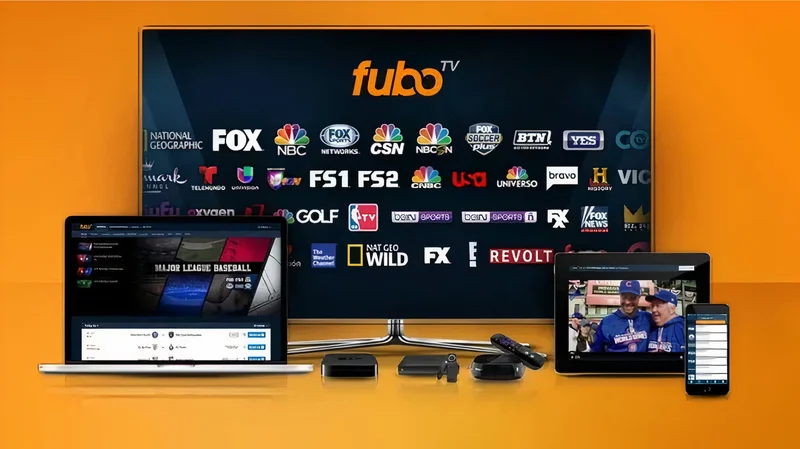
Now, here's the critical question: are these really better deals than what YouTube TV was offering? That depends entirely on your viewing habits. YouTube TV's base plan hovered around $73 a month. If you primarily watched the Disney-owned channels that are now missing, switching to Fubo's Elite plan at $74.99 might seem like a lateral move. But you're gaining access to potentially more channels, including NFL RedZone.
The Sling TV passes are intriguing, but the pricing details are vague. A "Sling season pass" could be cost-effective for dedicated fans, but without concrete numbers, it's hard to say. (I've looked at hundreds of these streaming service promotions, and the lack of transparency is a recurring theme.)
The Real Cost of Convenience
The core issue here isn't just about channel availability; it's about the escalating cost of convenience. Streaming services promised to liberate us from the tyranny of cable bundles. Instead, we're facing a fragmented landscape where content is scattered across multiple platforms, each demanding a monthly fee.
Consider this: subscribing to YouTube TV, plus Netflix, plus Hulu, plus Disney+, plus ESPN Unlimited… the costs quickly add up. Are we really saving money compared to traditional cable? And more importantly, are we spending less time managing subscriptions and navigating different interfaces?
This is where the "convenience" argument starts to crumble. The promise of streaming was simplicity and affordability. What we're getting is a complex web of subscriptions and a constant battle to find the content we want at the best price.
And this is the part of the report that I find genuinely puzzling: Why are these media giants so willing to alienate their viewers? The streaming wars are clearly far from over. For viewers looking to navigate the changing landscape, resources like "How to stream ESPN, ABC and more without YouTube TV" can provide valuable guidance.
So, What's the Real Story?
The Disney-YouTube TV split is a symptom of a larger problem: the unsustainable economics of streaming. Content providers are locked in a perpetual tug-of-war with distributors, and viewers are caught in the middle. Until a more stable model emerges, expect more blackouts, more price hikes, and more frustration. The golden age of streaming? It might be tarnished already.